
"coffee pests and diseases"
400 article(s) found

Beans are divided by seed, RUIRU 11
Professional coffee knowledge exchange more coffee bean information please follow the coffee workshop (Wechat official account cafe_style) Lulu Yilu (RUIRU) 11 high-yielding dwarf hybrid varieties resistant to leaf rust and berry disease. Released in Kenya. Ruiru 11 is a compact and high-yielding variety cultivated in Kenya that allows for higher density and reduces losses caused by diseases and insect pests. nineteen

Basic knowledge of coffee Common sense of the definition of fine coffee 2
With regard to the cultivation of crops, seed selection is a very important factor. Every year, agronomists are studying higher quality and higher yield varieties of wheat, soybeans, and corn, as well as how to make apples more delicious, beautiful and resistant to diseases and insect pests. In fact, the same is true of coffee. The quality and taste of coffee are determined by the quality of the varieties. Coffee trees are generally divided into three categories in the industry: Arabica species
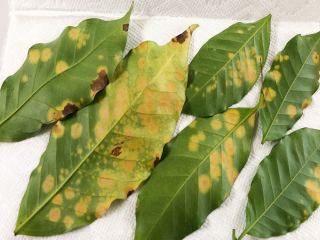
What disease is it easy to get from coffee trees? The introduction of coffee leaf rust, what kind of bug will eat coffee fruit?
Coffee trees are easily affected by many different pests and diseases, the two most common of which are leaf rust (leafrust) and coffee fruit coffeeberryborer (CBB). Leaf rust, known as roya in many Latin countries, is a fungal coffee.
What is organic coffee? What are the characteristics of organic coffee cultivation technology?
Organic coffee is coffee that does not use synthetic pesticides, herbicides or chemical fertilizers during its growth. These ways of growing coffee are conducive to maintaining a healthy environment and keeping the groundwater pure. After the coffee is harvested, be sure to use an organically certified roaster to process the coffee beans. Organic coffee is made of beans grown in the shade of trees.

The three best quality coffee beans in the world
At present, the best quality coffee beans in the world mainly come from Arabica, Robusta and Liberia, which are mainly proud of the coffee trees in the three places.
Coffee knowledge types of boutique coffee trees
At present, the best quality coffee beans in the world mainly come from Arabica, Robusta and Liberia, which are mainly proud of the coffee trees in the three places.
Coffee from Tanzania
Due to political instability and rampant diseases and insect pests, the coffee industry in Tanzania has been damaged, leading to a decline in the overall level of coffee and instability in quality, which in turn lead to lower prices, which are usually the result of a further decline in the coffee industry. What's more, it is estimated that more than 12% of the Arabica coffee grown in northern Tanzania from 1969 to 1985 was smuggled.
Coffee production in Indonesia has dropped sharply!
In recent years, coffee production in Indonesia has been challenged by climate change and an increase in farm diseases and insect pests. The Foreign Agriculture Service of the United States Department of Agriculture predicts that Indonesian coffee exports will fall by 32% in 2023 to 24 compared with the previous year. Previously, excessive rainfall disrupted the development of coffee fruit, and coffee production dropped sharply.

Characteristics of La Souna Mantenin Coffee
In less than a decade of promotion by the local Ministry of Agriculture, the coffee variety Rasuna Rasuna has shown good quality. The quality, yield and resistance to common pests and diseases of coffee beans have always been excellent. In all categories, Indonesia Rasuna coffee beans coffee cup test quality is excellent. Wet processing to reduce acidity, Rasuna coffee beans have Sumanda

What are the main varieties of coffee beans
The Robastian coffee tree, which originated in the Congo in Africa, accounts for about 20% to 30% of the world's production. Luoba Jinta coffee tree is suitable for planting in the lowlands below 500 meters above sea level, has a strong adaptability to the outside world, can resist bad weather, resist diseases and insect pests, and is in soil preparation. Weeding and pruning do not require much manual care, and can be allowed to grow in the wild, which is easy.

Global coffee producing area-Tanzania
Due to political instability and rampant diseases and insect pests, the coffee industry in Tanzania has been damaged, leading to a decline in the overall level of coffee and instability in quality, which in turn lead to lower prices, which are usually the result of a further decline in the coffee industry. What's more, it is estimated that more than 12% of the Arabica coffee grown in northern Tanzania from 1969 to 1985 was smuggled.

Will the weather affect the flavor of the coffee during processing? What is the process of coffee processing?
As discussions about climate change become mainstream in the media in 2019, it is well known that global warming is no longer a distant future. Rising sea levels and rising temperatures have affected many aspects of human life. Agriculture is one of the most changing areas, and agriculture itself is also an important factor in greenhouse gas emissions. This will have a significant impact on coffee production.

Strong acid-rich Kenyan coffee flavor manor introduction Berman manor
This Kenyan native species was created by Scott Laboratories in 1930, known as SL for short. Agronomists wanted to find a kind of bourbon with high yield and resistance to diseases and insect pests, and obtained SL28 through experiments. SL28 is a genetic variant with a mixed pedigree of French missionaries, mochas and Yemens Tibica. The goal of breeding SL28 was to produce both in large quantities and in large quantities.

Characteristics of Tanzanian coffee flavor of Tanzania coffee
Due to political instability and rampant diseases and insect pests, the coffee industry in Tanzania has been damaged, leading to a decline in the overall level of coffee and instability in quality, which in turn lead to lower prices, which are usually the result of a further decline in the coffee industry. What's more, it is estimated that more than 12% of the Arabica coffee grown in northern Tanzania from 1969 to 1985 has gone.

Characteristics of Tanzanian coffee flavor of Tanzania coffee
Due to political instability and rampant diseases and insect pests, the coffee industry in Tanzania has been damaged, leading to a decline in the overall level of coffee and instability in quality, which in turn lead to lower prices, which are usually the result of a further decline in the coffee industry. What's more, it is estimated that more than 12% of the Arabica coffee grown in northern Tanzania from 1969 to 1985 has gone.

Characteristics of Tanzanian coffee flavor of Tanzania coffee
Due to political instability and rampant diseases and insect pests, the coffee industry in Tanzania has been damaged, leading to a decline in the overall level of coffee and instability in quality, which in turn lead to lower prices, which are usually the result of a further decline in the coffee industry. What's more, it is estimated that more than 12% of the Arabica coffee grown in northern Tanzania from 1969 to 1985 has gone.
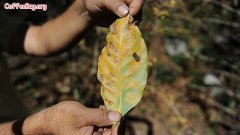
What is the disease of coffee planting that harms coffee leaf rust?
In the past 20 to 25 years, there has been a strong global demand for raw coffee beans. In order to increase production, many coffee farmers in Central America have abandoned the traditional shade planting technique and used sun exposure to grow coffee. Due to the loss of the protective effect of the crown and the reduction of biodiversity, the control of diseases and insect pests can only be more dependent on the use of pesticides and fungicides, which not only destroys the original complex health.

Coffee tree types Arabica coffee trees
At present, the best coffee beans in the world mainly come from Arabica, Robusta and Liberia, which are mainly proud of the coffee trees in these three places. Arabica coffee tree origin for Ethiopia, its coffee bean production accounts for 70% of the world's production; the world famous blue mountain coffee, mocha coffee, etc., almost all Arabica species. Arabica coffee.

What is the quality of Yunnan small grain coffee? Explore the real situation behind the quality of coffee in Yunnan
For the exchange of professional baristas, please follow the coffee workshop (Wechat official account cafe_style). In January 2017, we lived in the processing plant we cooperated with in Dehong, Yunnan for half a month. It's a relatively new first-hand material. Let's talk about it in a nutshell. This year, our custom-made beans are still being fumigated and shelled. When we get the big goods later, we can add some of the flavor and final results and more details. Yunnan small grain coffee

Introduction of Berman Manor in the Central Mountain area of Nyeri
The high concentration of phosphoric acid soil in Kenya gives birth to the special sour spirit of Kenyan beans, which is different from bourbon beans in Central and South America. This Kenyan native species was created by Scott Laboratories in 1930, known as SL for short. Agronomists wanted to find a kind of bourbon with high yield and resistance to diseases and insect pests, and obtained SL28 through experiments. SL28 owns France as a genetic variant.